
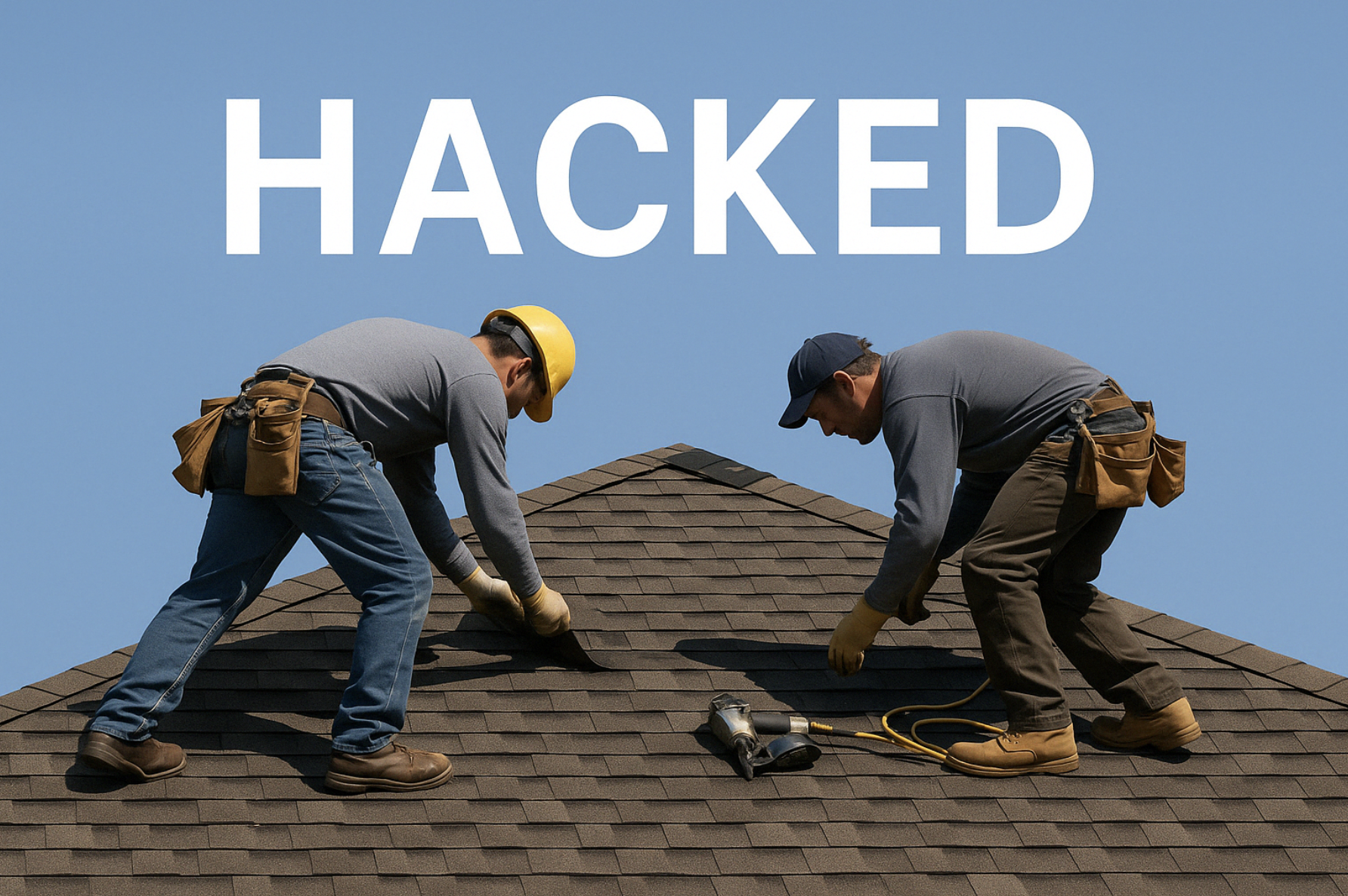
In today’s digital-first economy, contractor businesses—from construction firms to electrical services and HVAC providers—are increasingly reliant on technology. But with this reliance comes exposure to a growing and often underestimated threat: cyberattacks.
History of Ransomware: The Industry-Killer
Ransomware first appeared in the late 1980s, but it wasn’t until the 2010s that it evolved into a billion-dollar criminal enterprise. Early ransomware locked systems and demanded modest payments. Today’s versions are far more aggressive and sophisticated.
Notable examples include:
WannaCry (2017): Shut down hospitals, factories, and businesses across 150 countries.
NotPetya (2017): Originated as a state-sponsored attack and caused over $10 billion in global damage.
REvil (2021): Targeted managed IT providers and their clients, demanding multi-million dollar ransoms.
These attacks demonstrate how ransomware has evolved from a digital nuisance into a full-blown weapon capable of shutting down entire industries—contracting included.
Why Contractor Businesses Are Prime Targets
Contractor businesses often underestimate their value to hackers. They assume only banks or tech companies are targeted—but that’s a dangerous misconception.
Here’s why cybercriminals love targeting contractor firms:
Low Security Budgets
Most contractors don’t have dedicated IT staff or security protocols. Hackers know this and exploit the lack of defense.
Valuable Data
Contractors manage sensitive blueprints, client data, project bids, financial records, and even infrastructure access credentials. All of this can be monetized or used for further attacks.
Dependency on Software
From project management tools and email to CAD drawings and supplier communication, a contractor’s digital tools are crucial. If these are frozen, the business stops.
Tight Deadlines
Contractor firms work on rigid deadlines. Hackers use this pressure to demand quick ransoms—knowing delays could cost contractors their contracts or reputation.
Third-Party Vulnerability
Contractors often work with vendors, suppliers, and municipalities. A breach can expose a whole network of connected businesses and public institutions.
What are the Main Contractor Business Hacks
Contractor businesses, like other small to mid-sized enterprises, are highly vulnerable to cyberattacks due to a mix of valuable data, interconnected systems, and often weak security practices. Here are the main ways contractors can get hacked:
Phishing Emails
- Attackers send emails posing as clients, suppliers, or banks to trick employees into clicking malicious links or entering credentials.
- Common themes: fake invoices, bid requests, or job updates.
Ransomware Attacks
- Malware encrypts company files, rendering systems unusable until a ransom is paid.
- Often delivered through phishing emails, infected attachments, or compromised websites.
Compromised Remote Access (RDP/VPN)
- Weak or reused passwords for remote systems allow hackers easy access to internal networks.
- Contractors using remote work tools without multi-factor authentication are at risk.
Infected USB Devices or Tools
- Shared flash drives, blueprint readers, or even laptops used across job sites can spread malware.
Software Vulnerabilities
- Outdated project management, quoting, or design software (e.g. CAD tools) may have unpatched security flaws.
- Many attackers scan for known vulnerabilities in commonly used tools.
Weak Passwords
- Passwords like “contractor123” or reused credentials make brute-force attacks simple for hackers.
Insecure Wi-Fi at Job Sites
- Public or poorly secured Wi-Fi networks can be exploited to intercept data or launch attacks.
Third-Party Supplier Breaches
- Contractors rely on vendors and partners (e.g. equipment suppliers or general contractors).
- A breach in any one of them can give hackers a way in through shared systems or emails.
Malicious Attachments or Links
- Blueprints, bid forms, or job site images sent in emails may be infected with malware.
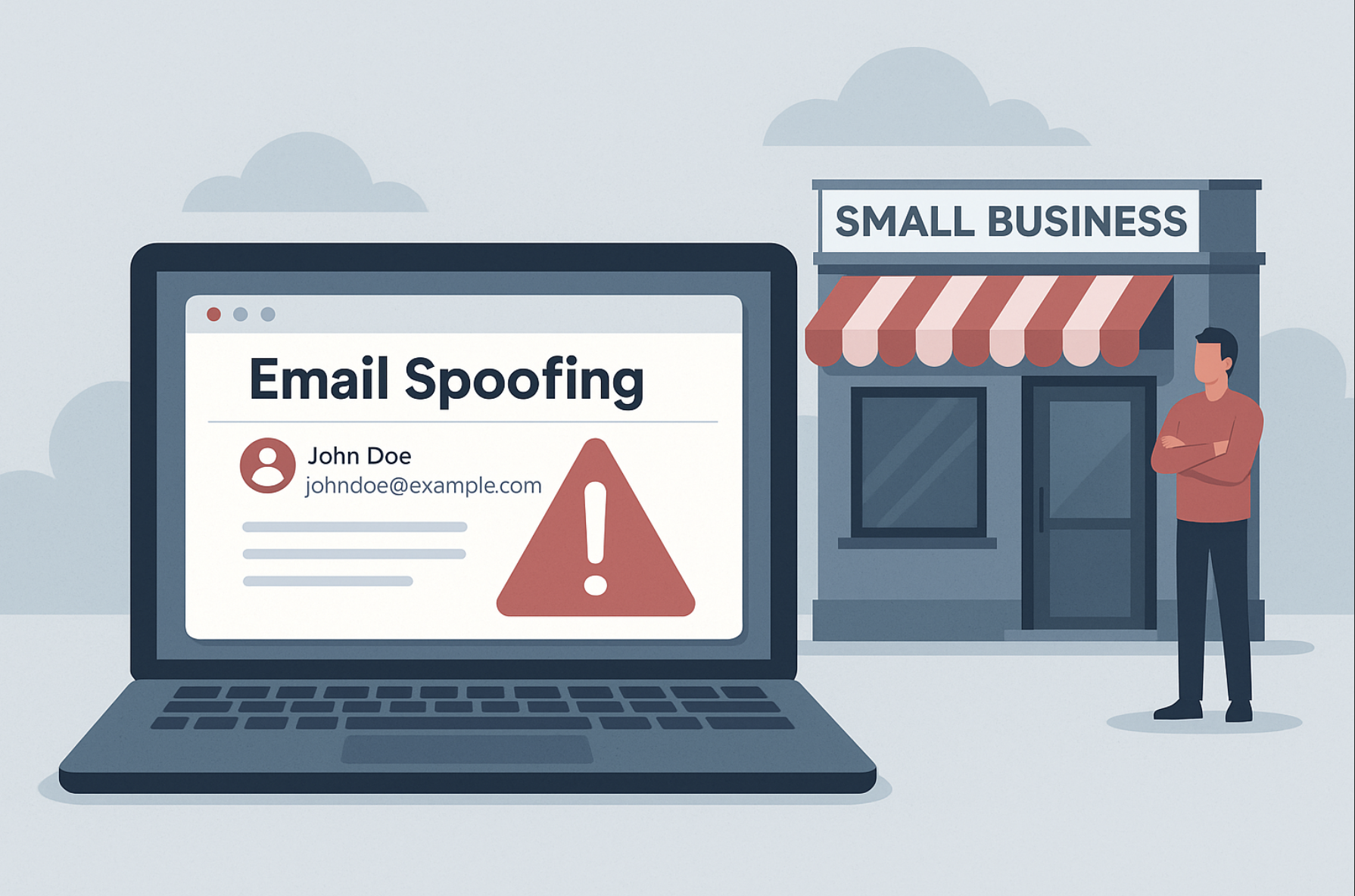
10. Impersonation or Business Email Compromise (BEC)
- Hackers spoof a contractor’s email to trick employees or clients into wiring money to fraudulent accounts.
What Happens When a Contractor Gets Hacked?
The consequences are severe—financially, operationally, and legally.
Operational Shutdown
If ransomware hits a contractor’s internal system, project schedules freeze. Bidding, invoicing, payroll, logistics—everything stalls.
Loss of Trust
Clients, partners, and public institutions may terminate contracts or stop working with a firm that suffered a breach. The reputational damage can take years to recover.
Legal & Compliance Fines
If personal data (like employee info or client contacts) is leaked, contractors can face fines under GDPR or other privacy laws, even if they aren’t tech companies.
Extortion & Ransom Payments
Many contractor businesses feel they have no choice but to pay the ransom to get back to work. These payments can reach six or even seven figures.
Data Loss & Permanent Damage
Even if access is restored, stolen files may be sold on the dark web. Backups may be corrupted. Some businesses never recover.
How Contractors Can Protect Themselves
Install Cybersecurity Software: Firewalls, antivirus, and anti-ransomware software are essential.
Use Secure Cloud Storage: Cloud services with encryption and multi-factor authentication add extra layers of protection.
Train Staff on Phishing & Scams: Many breaches begin with a simple fake email.
Backup Regularly: Use off-site backups to restore operations without paying ransoms.
Hire Cybersecurity Providers: Outsourcing security is often cheaper than recovering from a breach.
Contractor businesses are no longer under the radar of cybercriminals. If anything, their growing reliance on digital systems and lack of cybersecurity infrastructure make them soft targets.
Investing in cybersecurity is no longer optional—it’s essential to survival in the modern contractor landscape.






Add comment