
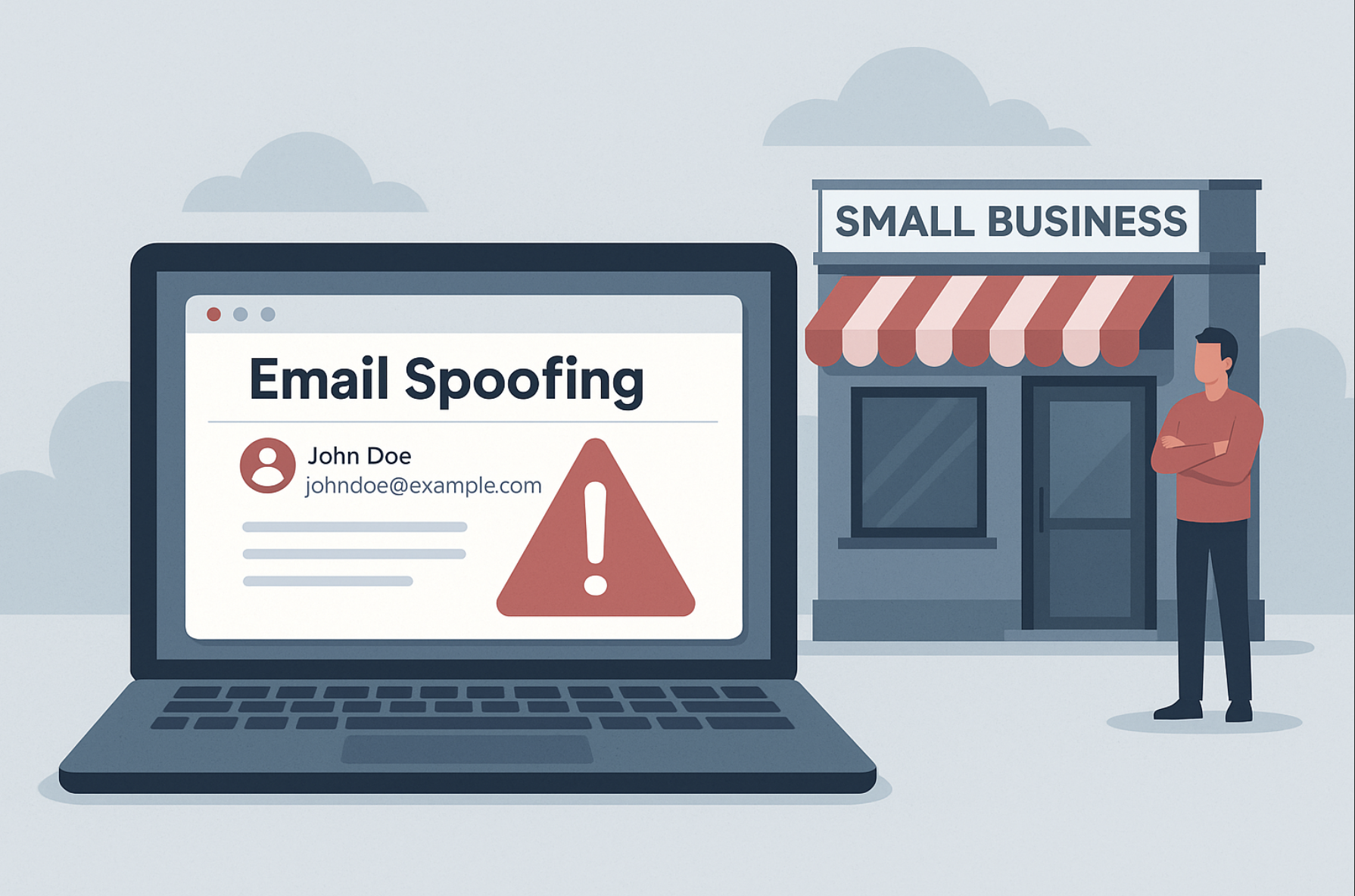
In today’s digital landscape, small businesses face more cybersecurity risks than ever — and one of the easiest and most devastating methods hackers use is email spoofing. Unlike complex cyberattacks that require advanced coding skills, email spoofing is shockingly simple, cheap, and often invisible to untrained eyes. It’s a silent weapon — and small businesses are its favorite targets.
What Is Email Spoofing?
Email spoofing is when an attacker sends an email that appears to come from someone the recipient knows or trusts — such as the business owner, an employee, or even a known vendor. The goal is usually to trick someone into taking an action: clicking a malicious link, downloading a dangerous file, or sharing sensitive information.
Critically, the attacker doesn’t need to hack the real email account.
They simply forge the “From” address — and unless you have proper email security protocols in place, most email servers will accept and deliver the fake message without warning.
Why Spoofing Small Businesses Is So Easy
No Email Authentication:
Many small businesses do not have essential protections like SPF, DKIM, or DMARC properly set up on their domain names. Without these records, your email system has no way to tell real emails from fake ones.
Public Email Addresses:
Hackers scrape websites, social media pages, and public directories to collect employee emails. They then spoof these emails to impersonate key people inside the business.
Lack of Awareness:
Most small businesses don’t train their staff to recognize phishing emails or understand the risks of spoofed messages.
Cheap and Accessible Tools:
It’s disturbingly easy to find online tools that allow anyone — even a beginner — to send spoofed emails for free or for a few dollars. No programming knowledge is needed.
No Advanced Detection:
Unlike big corporations, small businesses usually don’t have expensive cybersecurity monitoring tools that can catch suspicious email behaviors.
What Can Happen After a Successful Spoofing Attack?
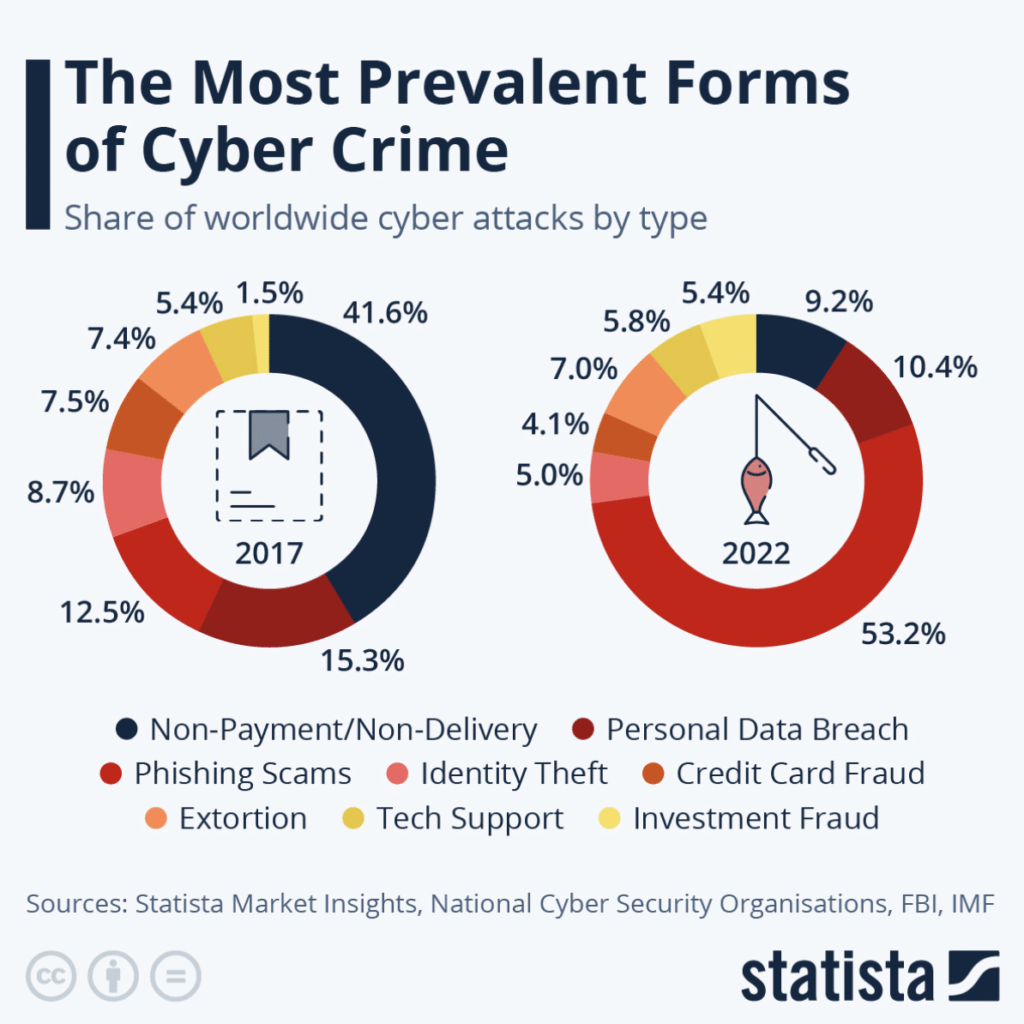
Financial Losses:
Fake invoices and payment redirection scams can siphon thousands of dollars before anyone notices.
Data Breach:
Attackers can steal customer information, business secrets, and financial data through seemingly harmless emails.
Malware Infection:
Spoofed emails often contain malware or ransomware attachments that can cripple a business’s operations.
Reputation Damage:
If clients or partners receive fake emails appearing to be from you, your business’s trust and credibility can suffer permanent damage.
How Can Small Businesses Protect Themselves?
Set up SPF, DKIM, and DMARC:
These DNS records authenticate your outgoing emails and block most spoofing attempts.
Train Employees:
Teach your team to spot suspicious emails — especially those asking for urgent actions or financial transactions.
Use Professional Email Security Services:
Invest in cybersecurity tools that actively monitor and protect your email infrastructure.
Perform Regular Security Checks:
Conduct free or professional cybersecurity audits to discover vulnerabilities before hackers do.
The True Cost: How Email Spoofing Leads to Financial Losses for Small Businesses

Financial loss is often the first and most devastating consequence of a successful email spoofing attack. For small businesses operating on tight margins, even a single incident can cause a financial shock that is difficult — and sometimes impossible — to recover from.
Here’s a deeper look at how exactly spoofing can drain your business finances:
Wire Transfer Fraud and Invoice Scams
One of the most common goals of a spoofed email is to trick an employee into sending money.
Hackers impersonate company executives, vendors, or financial institutions, sending realistic-looking requests like:
- “Please process this urgent payment today.”
- “Here’s the new bank account details for this month’s invoice.”
- “We have an emergency expense — wire $4,900 to this account immediately.”
Since the email appears to come from a trusted person, employees often don’t question it. In many cases, businesses lose thousands or tens of thousands of dollars with a single click.
Small companies typically don’t have insurance or quick recovery options to get that money back.
Real-world example:
A small construction company wired $18,000 to a fake supplier after receiving a spoofed email that looked exactly like their usual vendor communication. The money was gone within minutes — laundered through overseas accounts.
Theft of Client Payments
In more sophisticated attacks, hackers don’t just target internal employees.
They monitor email communication (if they have access) and intercept real invoices being sent to clients.
Then, they modify the bank details and resend the invoice — making the client pay the hacker instead of the business.
This causes a double disaster:
- You lose the payment you were expecting.
- You damage trust with your customer, who paid and now demands answers — or even legal action.
Example:
A digital marketing agency had a $12,000 monthly retainer stolen when their client received a spoofed invoice claiming a “new bank account” update.
Costs of System Recovery and Investigation
Even if money isn’t immediately stolen, a successful spoofing attack often triggers an expensive response process:
- Cybersecurity experts must be hired to investigate the breach.
- Internal audits and system repairs must be made.
- Legal consultations may be needed if customer data was involved.
These expenses can easily add up to $5,000–$25,000 or more, depending on the severity of the attack.
And don’t forget — during the time you’re cleaning up the mess, your business operations may be disrupted, costing you even more in lost productivity and delayed revenue.
Insurance Premium Increases or Coverage Gaps
If you have cybersecurity insurance, an incident involving spoofing could:
- Increase your future insurance premiums significantly.
- Lead to claim denials if your email systems were found to be inadequately protected (no SPF, DKIM, DMARC records).
- Expose you to out-of-pocket losses for damages that aren’t covered under general business policies.
Potential Regulatory Fines
In some industries, spoofing attacks can also trigger legal penalties.
If customer or financial data is compromised during a spoofing scam, regulators may view it as a failure to protect sensitive information — resulting in GDPR, HIPAA, or PCI compliance fines, depending on your location and sector.
Even smaller fines can range from $2,500 to $20,000, with larger breaches resulting in much heavier penalties.
Why Small Businesses Are Particularly Vulnerable
- They trust email too much for internal communication.
- They rarely double-check payment requests.
- They don’t have layers of financial verification for wire transfers or invoice changes.
- They lack real-time security monitoring that could detect anomalies before money leaves.
When a large corporation gets hit, they can survive.
When a small business gets hit, it can cripple cash flow, jeopardize payroll, destroy client trust, and even force closure.
Email spoofing is not just a threat — it’s an open door for hackers if you don’t take action.
For small businesses, ignoring email security could mean falling victim to scams that are both easy to execute and hard to undo.
The good news is that with a few strategic measures, you can lock that door and protect your business from one of the simplest — and most devastating — cyber tricks out there.






Add comment