
The Future of Cyber Security Manchester 2025, held in February, brought together industry leaders, cybersecurity experts, and technology firms to address the escalating threat landscape facing UK businesses—particularly small and medium-sized enterprises (SMEs). The conference featured keynotes, panel discussions, and networking sessions focused on defending against the rising tide of cyberattacks.
Spotlight on Small Business Security

A central theme of the conference was the increasing vulnerability of SMEs to cyber threats. Despite a slight decline in reported incidents—from 58% of small businesses experiencing breaches in 2024 to 50% in 2025—experts cautioned against complacency.
Cybersecurity firm CYBER57 delivered a compelling presentation emphasizing that SMEs are prime targets for cybercriminals. Their research indicates that 43% of all cyberattacks now target small businesses, many of which lack adequate defenses. CYBER57 urged SMEs to adopt proactive security measures, including employee training, regular system updates, and incident response planning.
Industry Participation and Innovations
The conference attracted a diverse array of companies committed to enhancing cybersecurity. Notable participants included:
ATAS: Specializing in server-side security, ATAS showcased their latest solutions designed to protect backend systems from sophisticated attacks.
CYBER57: Beyond their keynote, CYBER57 hosted workshops on threat detection and response strategies tailored for SMEs.
Other Attendees: The event also featured representatives from leading cybersecurity firms, financial institutions, and technology providers, fostering collaboration across sectors.
Cybersecurity Statistics: A Stark Reality
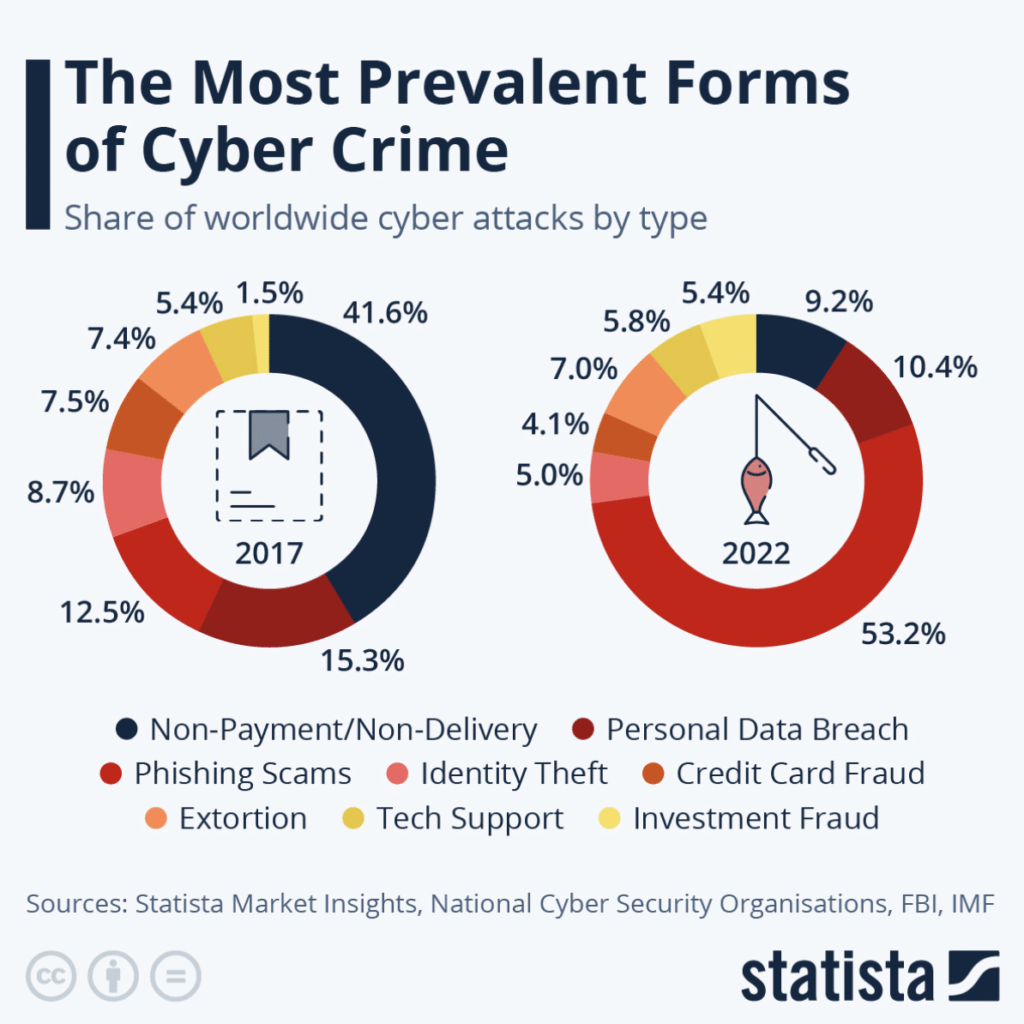
Recent data underscores the persistent threat cyberattacks pose to UK businesses:
Prevalence: In 2024, 23% of UK businesses reported experiencing a cybersecurity breach or attack, equating to approximately 612,000 companies.
Attack Types: Phishing remains the most common attack vector, affecting 85% of breached businesses, followed by impersonation attacks (35%) and malware infections (17%).
Financial Impact: The average cost of a cyber breach for a small business is estimated at £1,600, factoring in downtime, recovery expenses, and reputational damage.
Business Continuity: Alarmingly, 60% of small businesses that suffer a cyberattack cease operations within six months, highlighting the critical need for robust cybersecurity measures.
High-Risk Sectors for Cybersecurity in UK
Cybercriminals disproportionately target certain industries due to the sensitive data they handle and often limited security infrastructures:
Healthcare: Medical records are highly valuable on the black market, making healthcare providers frequent targets.
Financial Services: Small financial firms face constant threats aiming to exploit transactional data and client information.
Retail and E-commerce: Online retailers are susceptible to attacks seeking customer payment information.
Professional Services: Law firms and consultancies often hold confidential client data, attracting cyber threats.
The Future of Cyber Security Manchester 2025 served as a crucial platform for addressing the cybersecurity challenges confronting SMEs. The insights shared, particularly by companies like CYBER57 and ATAS, underscored the imperative for small businesses to adopt comprehensive security strategies. As cyber threats continue to evolve, proactive measures and industry collaboration remain vital in safeguarding the UK’s economic backbone.





Add comment