
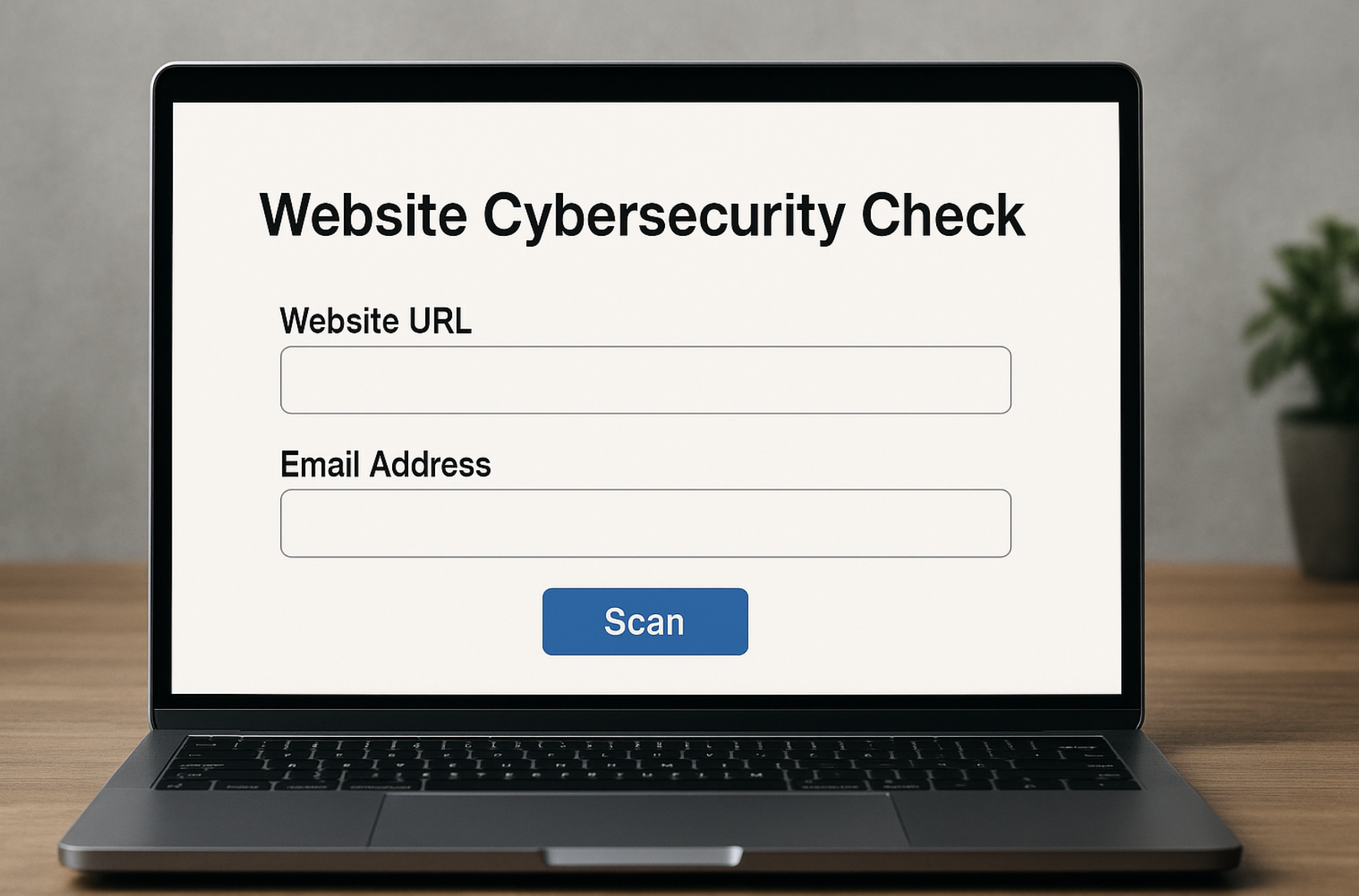
In today’s digital-first world, your website and email systems are more than communication tools — they are gateways into your business. And just like physical offices need locks and alarm systems, your digital presence demands robust cybersecurity. Regular website and email security checks aren’t just IT tasks — they’re essential for protecting your brand, customers, revenue, and legal standing.
Why Cybersecurity Checks Matter
Every business, regardless of size, handles sensitive data — customer contact info, payment details, internal documents, and more. Cybercriminals know this. They increasingly target small to mid-sized companies, assuming their defenses are weaker than those of large corporations. Regular cybersecurity audits are how you stay one step ahead.
A cybersecurity check for your website and emails typically involves:
- Scanning for malware and vulnerabilities
- Testing for data leaks
- Checking for phishing risks
- Validating security certificates
- Monitoring suspicious login attempts or access points
These checks help identify weak points before attackers exploit them — a critical practice in an age of automated cyberattacks.
The Dangers of an Unsecured Email and Website
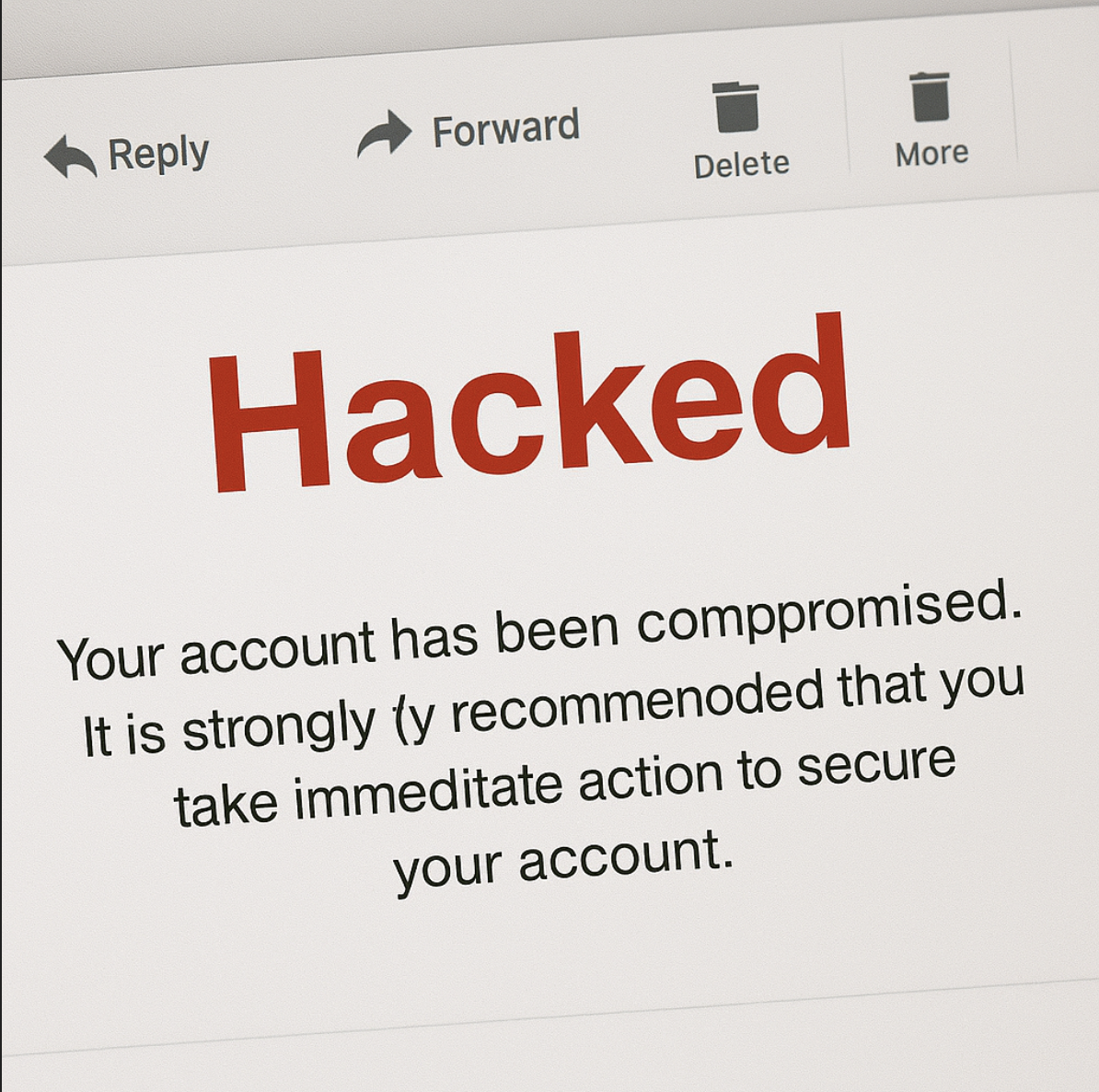
Email remains the #1 attack vector for hackers.
If your business email is compromised, attackers can:
- Send phishing emails to clients using your identity
- Access sensitive internal information, including contracts and passwords
- Reset passwords for other systems (like cloud storage or bank logins)
- Spread malware across your team and clients
- Steal financial information or reroute payments
Even one successful phishing attack can lead to ransomware demands, GDPR fines, or irreparable reputational damage.
What Should You Be Checking For?
Here’s a list of key checks every business should perform regularly:
For Your Website:
Is your SSL certificate up-to-date?
Are all plugins and CMS platforms updated?
Are there backdoors or malware scripts hidden in your code?
Have admin accounts been checked for unauthorized access?
Are backups properly stored and updated?
For Your Email System:
Are multi-factor authentication (MFA) and strong passwords enabled?
Is there spam/phishing protection and employee awareness training in place?
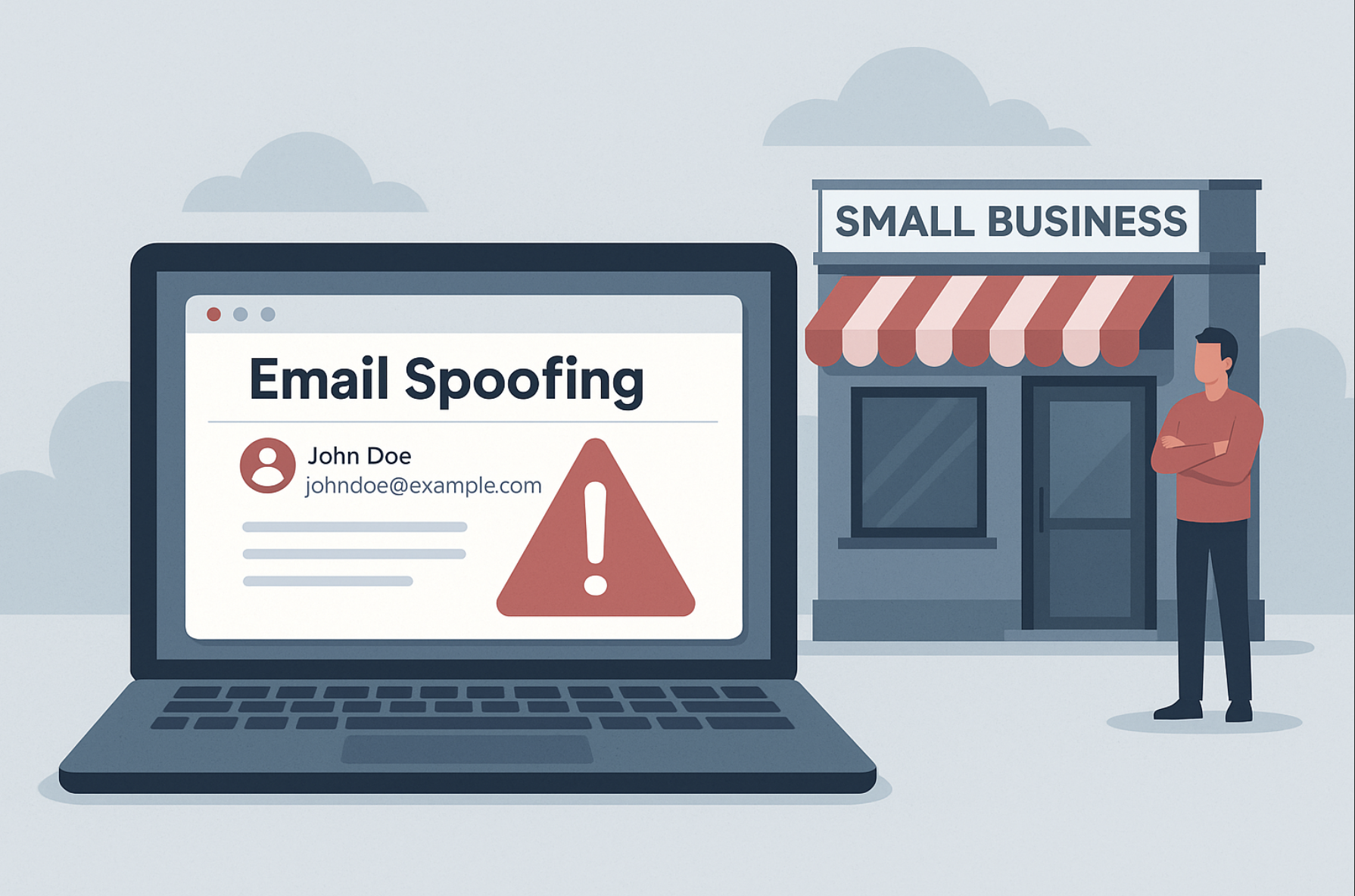
Have you checked your email domain for spoofing vulnerabilities (SPF, DKIM, DMARC)?
Is your inbox activity monitored for strange logins?
What Happens If Hackers Gain Access to Your Email and Website Server?
If hackers compromise your email or website server, the consequences can be far-reaching — affecting not only your online assets but your entire office and even your personal devices at home.
Full Access to Internal Communications
Once attackers gain control over your email server, they can silently monitor conversations, harvest sensitive data, and impersonate key staff. They might wait for the right moment to send fake invoices to your clients, redirect payments, or even instruct employees to share confidential information — all without you knowing.
Spread of Malware and Ransomware
Through your compromised email, hackers can send malicious attachments or phishing links to your team or clients. If someone opens one of these emails, ransomware or remote access tools can instantly be installed — not just on that one computer, but across your entire business network.
Server as a Gateway to Office and Home PCs
If your business systems are interconnected (as many are), breaching your website server gives hackers a doorway into everything else. They can:
- Extract stored FTP, database, or cloud service credentials
- Use admin access to tunnel into your internal office network
- Drop malware that activates when an employee logs in from home, thereby infecting their home PC
Especially for businesses where employees work remotely or access company servers from home, this creates a high-risk bridge from the compromised server to personal devices.
Identity Theft and Espionage
Hackers may steal your domain identity (spoofing your domain to send trusted-looking emails), use your server to launch attacks on others (making you legally liable), or extract sensitive IP and financial data.
Prevention is Profitable
Cyberattacks don’t just cost money — they cost trust. Customers won’t return to a business that exposed their data. By prioritizing regular email and website security checks, you’re not just protecting your systems — you’re protecting your brand, your customers, and your future.
Whether you manage a small local business or a growing eCommerce site, making cybersecurity a routine practice is one of the smartest investments you can make today.
Introducing Cyber57: Free Website & Email Security Checkups You Can Trust
In a world where one weak link can compromise an entire business, Cyber57 stands as your first line of defense. Our platform offers free, expert-led website and email security checkups — because knowing your vulnerabilities is the first step to securing your digital future.
Unlike basic automated scans, Cyber57 goes deeper. When you submit your website URL and business email, our cybersecurity experts personally review your setup. We perform manual penetration testing, simulate real-world attacks, and assess everything from exposed login portals to phishing vectors and outdated software versions.
What do you get?
A professional vulnerability report
Clear action steps to fix weaknesses
Priority alerts for critical issues
Peace of mind knowing real experts had eyes on your digital doors
Whether you’re running an eCommerce store, a clinic, or a law firm, Cyber707 helps you answer one of the most important questions in business today:
“Is my digital infrastructure actually safe — or just lucky?”
Take the guesswork out of your cybersecurity. Visit Cyber57.com and let our experts show you where you stand — before a hacker does.






Add comment