

In today’s digital-first world, businesses in Bulgaria—regardless of size—are increasingly exposed to cyber threats that can compromise sensitive data, disrupt operations, and result in severe financial and legal consequences. Whether it’s a hotel storing guest passport details or an online store processing credit card payments, every business handling personal data is at risk. This is where cybersecurity software becomes not just a necessity, but a vital business safeguard.
Understanding the Risk: GDPR Fines and Data Leaks
Since Bulgaria is a member of the European Union, its businesses fall under the General Data Protection Regulation (GDPR). This regulation mandates that all organizations handling personal data must implement appropriate security measures to prevent unauthorized access, leaks, or misuse of customer information.
How Can a Business Get Fined Under GDPR?
Failure to secure data (e.g., storing unencrypted client information)
Data breaches due to malware or poor IT hygiene
Delayed reporting of data leaks (must report within 72 hours)
Lack of user consent or clear privacy policies
Real GDPR Fines in Bulgaria
While Bulgaria has not issued fines on the scale of Western EU countries, several notable penalties have been enforced:
National Revenue Agency Breach (2019): One of the most infamous data leaks in Bulgaria. Over 5 million personal records were stolen, and the agency received a BGN 5.1 million fine (~€2.6 million) for insufficient cybersecurity measures.
Private Clinic in Sofia (2021): A small clinic was fined €2,000 for failing to secure sensitive health data exposed through an unsecured server.
Real Estate Platform (2022): A PropTech company faced a €3,000 fine after user data (including national IDs and contact details) was indexed by Google due to weak platform protections.
These examples show that even small businesses and public institutions are not immune—and the fines can be damaging, both financially and reputationally.
Vulnerable Industries in Bulgaria That Need Cyber Security
Some business sectors are more vulnerable than others due to the type of data they store or the services they provide. Here are the most at-risk industries in Bulgaria:
Hospitality & Tourism
Hotels, hostels, and travel agencies process passport info, payment details, and personal data. With millions of tourists visiting Bulgaria each year, this sector is a prime target.
Healthcare
Clinics and private practices store highly sensitive medical records. Even small clinics are targeted, and healthcare data is sold at high prices on the dark web.
eCommerce & Retail
Online stores and physical shops using Point-of-Sale (POS) systems are exposed to card fraud, phishing, and ransomware attacks, especially if they lack end-to-end encryption or secure payment gateways.
Legal and Financial Services
Law firms and accounting agencies handle critical financial data and legal documents. A breach here not only violates GDPR but can destroy client trust.
Education & Training Centers
Private schools, tutoring companies, and academies often ignore cybersecurity—but they store parent contacts, student info, and payment records.
Cybersecurity Threats Facing Bulgarian Businesses
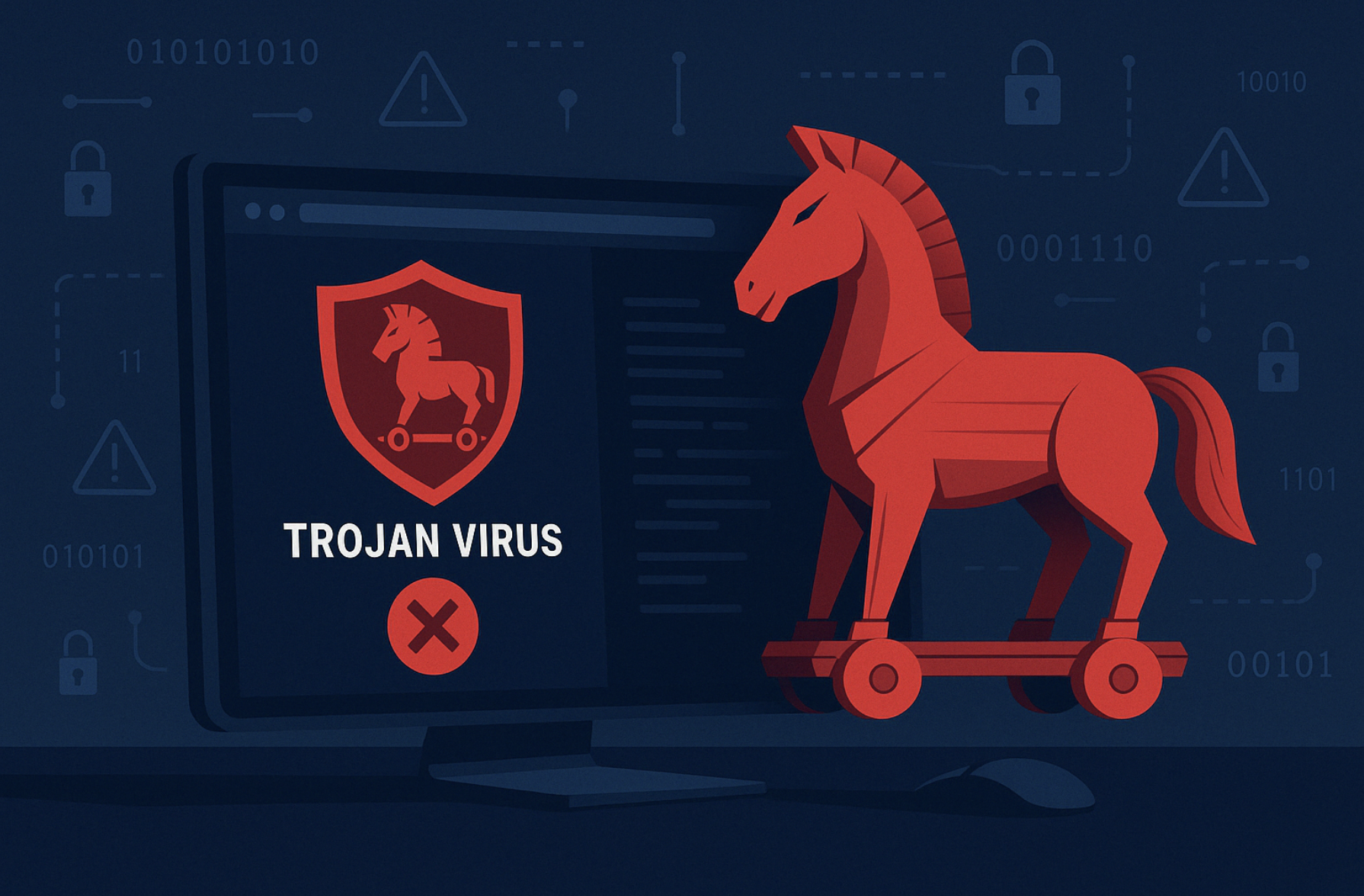
Cyber criminals do not discriminate based on business size. These are the most common cyber risks faced by small and medium businesses:
Ransomware
Malware that encrypts a company’s files and demands payment to unlock them. Without cybersecurity software, one click from an employee can shut down the business.
Phishing Attacks
Fake emails pretending to be from trusted sources trick employees into giving up passwords or downloading malicious software.
Trojans
Malware hidden in seemingly legitimate software that gives hackers access to the system—often used to steal data over time without being detected.
DDoS Attacks
Distributed Denial of Service attacks can cripple online shops or service platforms, resulting in lost sales and damaged reputation.
Insider Threats
Disgruntled employees or contractors with access to sensitive data may intentionally or unintentionally expose data—good software helps track suspicious activity.
Why Cybersecurity Software in Bulgaria is Essential
Cybersecurity software offers a multi-layered shield that helps:
Block malicious files and sites before they reach your system
Encrypt sensitive data to protect customer and business information
Monitor user behavior to detect unusual access
Provide automated backups to recover from ransomware
Ensure GDPR compliance with data logging and breach alerts
For businesses in Bulgaria, investing in cybersecurity software is no longer optional. GDPR enforcement, rising ransomware incidents, and expanding data responsibilities mean that even the smallest business must treat cyber protection as seriously as taxes or accounting.
Protect your business today—before hackers or data protection authorities knock at your digital door.






Add comment