

If you run a business in Malta, there’s a silent threat looming over your operations — and it’s not just cybercriminals. It’s the potential for devastating GDPR fines, loss of customer trust, and even criminal liability. And it could all happen without you even knowing your data was exposed… until it’s too late.
Cyber Attacks Are Targeting Small and Mid-Sized Businesses
Think cybercriminals only go after big corporations? Think again.
In 2024, over 60% of cyber attacks in the EU targeted businesses with fewer than 50 employees. Why? Because small companies are under-protected, often relying on outdated systems or no cybersecurity at all. Malta is no exception. With the island’s growing reliance on eCommerce, cloud services, and remote work, every business — from law firms to hair salons — is now a target.
GDPR Fines in Malta and the EU: Real. Brutal. Avoidable.
The General Data Protection Regulation (GDPR) is not just a formality. It’s enforced — hard. One Maltese company in the healthcare sector was fined €65,000 in 2023 for improper data storage and access policies. In Ireland, Meta was fined €1.2 billion for GDPR violations — proving no business is immune, big or small.
You don’t need a breach to get fined. Just failing to encrypt client data, logging into unsecured networks, or lacking internal access controls is enough to trigger an audit and a financial nightmare.
How Can a Business in Malta Get Reported and Fined for a GDPR Leak?
In today’s data-driven world, privacy breaches are not just IT problems — they are legal and financial disasters waiting to happen. In Malta, like in all EU countries, the General Data Protection Regulation (GDPR) is strictly enforced. Businesses that fail to comply can face devastating fines, public exposure, and long-term damage to their reputation.
But how exactly does a business get reported, investigated, and fined for a GDPR violation in Malta?
It Starts With a Data Breach – Even a Small One
A GDPR breach doesn’t have to involve thousands of leaked records. It could be something as seemingly simple as:
Sending customer data to the wrong email
Losing a company laptop with unencrypted files
Using unsecured cloud storage
Failing to delete data when requested
Employees accessing customer info without need
Under GDPR, intent doesn’t matter. If personal data is exposed, even accidentally, it’s considered a breach.
Someone Notices — And Reports You
Most GDPR investigations begin with a complaint. This could come from:
A customer who notices unusual activity or unsolicited contact
A former employee familiar with your internal practices
A competitor monitoring your compliance
An IT auditor or consultant
Even an anonymous tip-off through the IDPC (Information and Data Protection Commissioner) portal in Malta
Once a complaint is filed, the IDPC is legally obligated to investigate.
You’re Required to Report Serious Breaches Within 72 Hours
If your company discovers a serious breach, you are legally required to report it within 72 hours to the IDPC. Failing to do so can lead to heavier penalties. The breach notification must include:
What happened
How many people were affected
What data was leaked
Steps you’ve taken to fix it
Failing to report in time is often seen as an attempt to hide the breach, which regulators treat very harshly.
The IDPC Launches an Investigation
After receiving a report or complaint, the IDPC may:
Request all internal documentation (data processing policies, contracts, logs)
Interview staff or your DPO (Data Protection Officer)
Inspect your systems
Check whether you followed GDPR guidelines, like encryption, minimization, and consent
If negligence or unlawful processing is found, they will prepare a report and recommend enforcement.
Fines, Orders, and Public Exposure
Depending on the severity, your business may face:
A fine of up to €20 million, or 4% of your global annual turnover, whichever is higher
A ban on data processing
An order to notify all affected individuals
Public naming and shaming on the EU-wide GDPR Enforcement Tracker
In extreme or repeated cases, criminal liability
In 2023, a Maltese company was fined over €65,000 for storing medical records without proper encryption and failing to respond to a deletion request. That case started with one complaint.
What Could Happen to Your Business Without Cybersecurity?
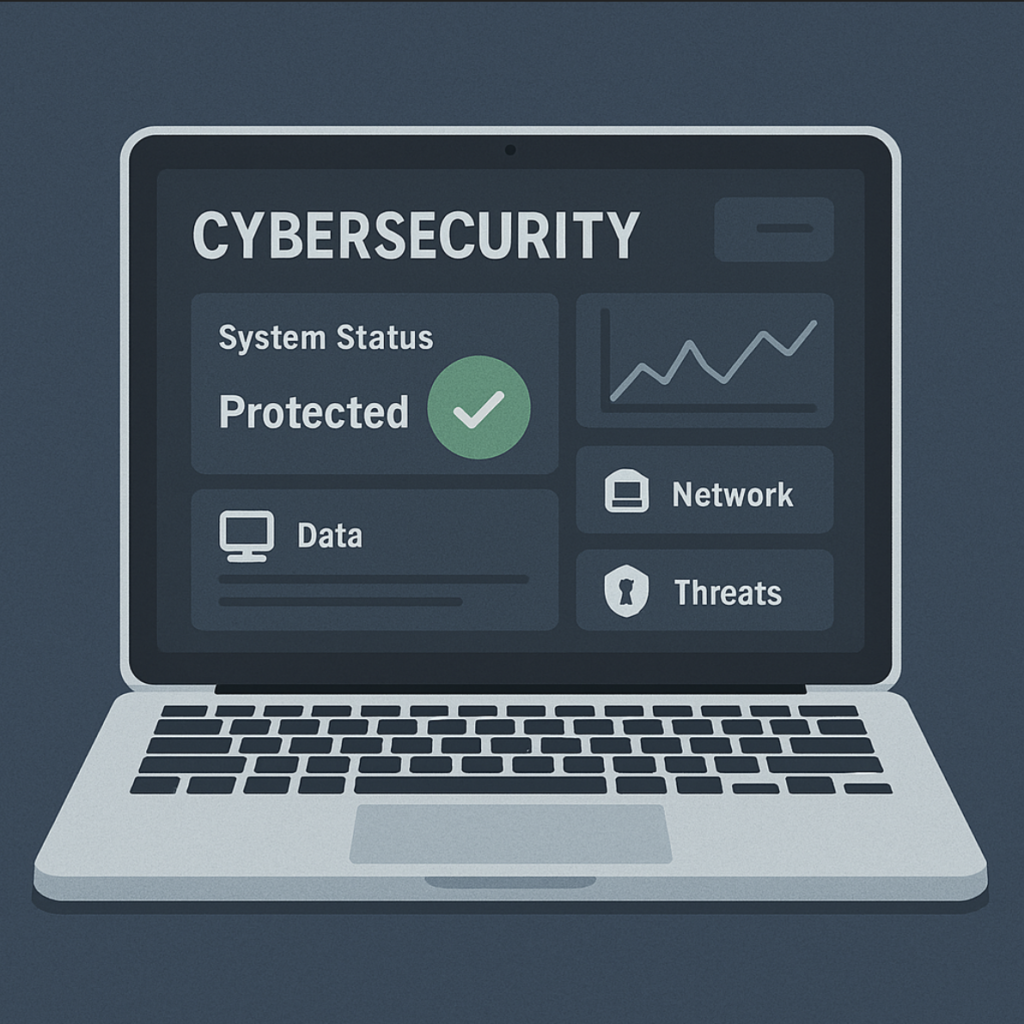
Without proper cybersecurity, your business in Malta is at serious risk. A single data breach could expose sensitive customer information — names, addresses, credit card details, medical records — all of which fall under GDPR protection. The consequences? You could face crippling fines of up to €20 million or 4% of your global revenue, whichever is higher.
But the damage doesn’t stop at fines. Your reputation could be destroyed overnight. Clients will lose trust. You may be forced to publicly disclose the breach, triggering a wave of customer exits and bad press. In some industries, such as healthcare, finance, or eCommerce, you could be banned from processing data until full compliance is restored.
Operationally, your systems could be locked by ransomware, freezing your business. You could lose years of records in a matter of minutes — unless you have secure backups and recovery protocols in place. And with Malta’s digital economy expanding rapidly, cybercriminals are increasingly targeting local businesses that underestimate their vulnerability.
Cybersecurity is no longer a luxury or IT problem — it’s a business-critical layer of protection. Ignoring it is like leaving your front door wide open and hoping no one walks in. The question isn’t if you’ll be targeted. It’s when.
Your customer data could be leaked and sold within hours.
You may be forced to notify every affected client under GDPR laws.
You could face fines up to €20 million or 4% of your annual turnover.
Your reputation could collapse overnight.
You may even be banned from processing customer data until compliant.
And most importantly — your competitors will be watching.
How Cyber Security Software Can Help You
All-in-one cybersecurity suite can protects Maltese businesses with:
Network protection from ransomware, phishing, and remote attacks
Full GDPR compliance auditing and alert systems
Secure data encryption and backup solutions
Access control, user monitoring, and legal-grade data logging
Instant vulnerability scanning and patch management
Whether you’re a local retailer or a digital agency — cybersecurity is no longer optional. It’s a legal and operational necessity.






Add comment